

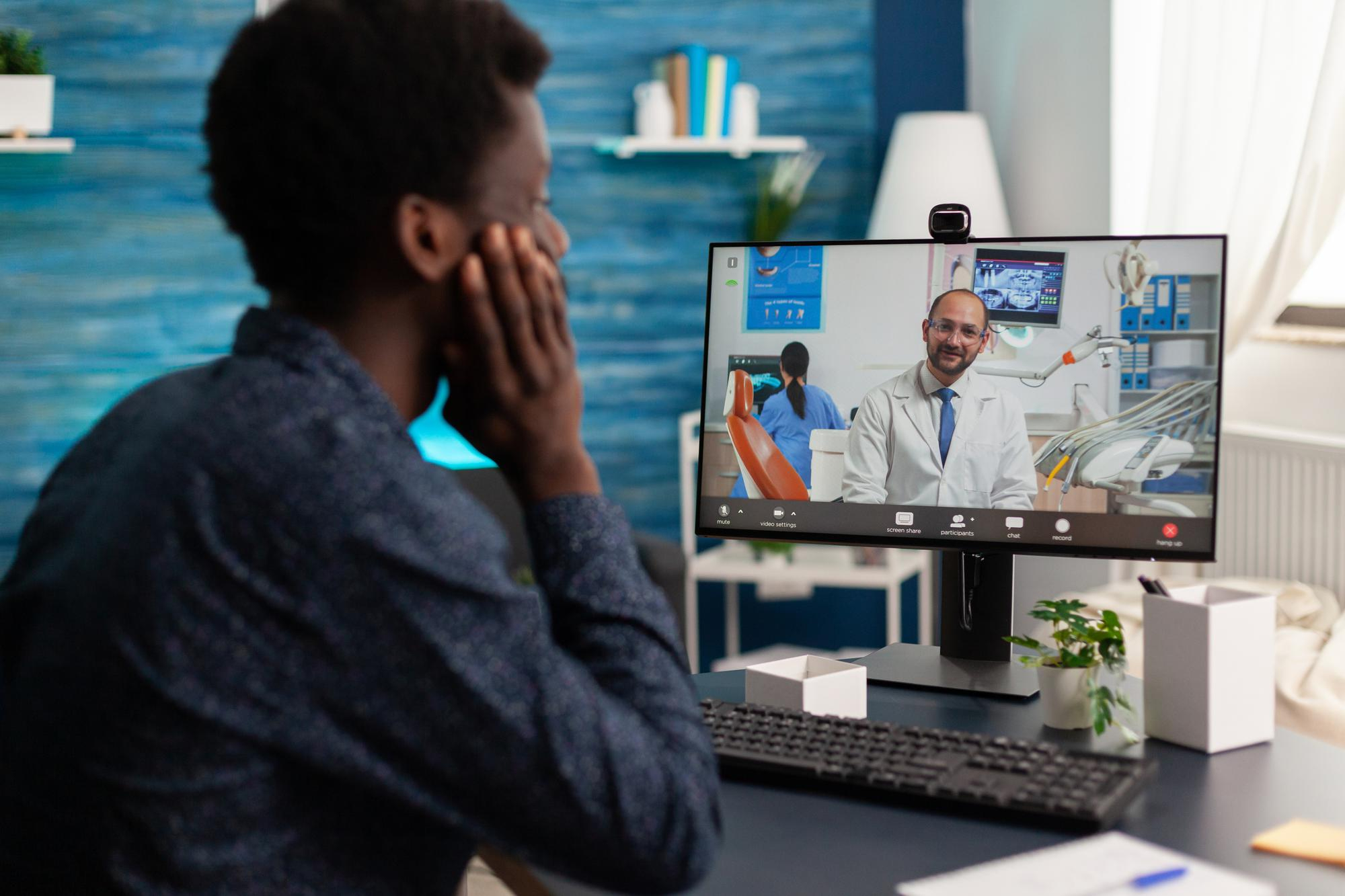
Recovering from surgery is a strange kind of limbo. You’re home, technically “healing,” but every twinge, every bit of redness, every drop of discharge can send your mind spiraling. Is this normal? Should I call someone? Do I really need to drag myself back to the clinic just to have a nurse glance at it for thirty seconds?
That’s where telehealth follow-up care comes in. And honestly, it’s reshaping how we think about post-operative wound monitoring — not as a single awkward checkup, but as a continuous, low-friction safety net.
Why Wound Monitoring Is Ripe for Telehealth
Post-op wound complications are sneaky. Surgical site infections (SSIs) can brew quietly for days before obvious symptoms show up. Traditionally, patients get one follow-up appointment — often two weeks out — and that’s it. If something goes sideways on day four, well, good luck getting seen quickly.
Telehealth flips that timeline. Instead of a single snapshot, you get a series of check-ins. Think of it like a time-lapse photo of your healing rather than one blurry Polaroid.
Key stat to keep in mind: Studies suggest that remote monitoring can catch wound issues earlier and reduce unnecessary emergency visits by a meaningful margin — some programs report up to 30–40% fewer in-person follow-ups without worse outcomes.
The Main Telehealth Follow-Up Models You’ll See
Not all telehealth is created equal. There’s a spectrum here, from a quick phone call to AI-assisted image analysis. Let’s break down the models that actually work in practice.
1. Synchronous Video Visits
This is the classic “FaceTime with your surgeon” model. Scheduled video calls where a clinician visually inspects the wound, asks about pain, fever, or discharge, and gives real-time guidance.
Pros? You get human eyes on the problem. Cons? Lighting is often terrible, and patients aren’t great at angling a camera at their own abdomen. Still, for straightforward cases, it works surprisingly well.
2. Asynchronous Store-and-Forward
Here, patients snap photos or short videos of their wound and upload them through a secure portal. A nurse or surgeon reviews them later — sometimes within hours, sometimes the next day.
It’s flexible. No scheduling gymnastics. And for busy people? It’s a lifesaver. The trade-off is the delay. If something looks alarming, you’re not getting instant feedback.
3. Remote Patient Monitoring (RPM) with Sensors
Now we’re getting fancy. Some programs use wearable sensors or smart dressings that track temperature, moisture, or pH at the wound site. Data streams to a dashboard, and algorithms flag anything suspicious.
Is this overkill for a simple appendectomy? Probably. But for complex surgeries — think colorectal or orthopedic — it’s a game-changer. The wound basically “talks” to the care team without the patient lifting a finger.
4. Hybrid Models
And then there’s the blend. Maybe you do one in-person visit at day three, then switch to asynchronous photo check-ins for the next two weeks. Or you have a video call at week one and RPM sensors throughout.
Honestly, hybrid is where most smart programs are heading. It’s not about replacing human touch — it’s about putting it where it matters most.
What Makes a Telehealth Wound Monitoring Program Actually Work?
Plenty of pilots flop. Why? Because they ignore the boring stuff — workflow, training, patient access. Here’s what separates the winners.
- Clear escalation pathways: If a photo looks bad, who calls the patient? Within what timeframe? Vague plans kill outcomes.
- Patient education that doesn’t suck: A one-page PDF isn’t enough. Short videos, simple checklists, and maybe a practice run with the app help.
- Integration with the EHR: If clinicians have to log into three systems, they won’t use it. Period.
- Reimbursement clarity: Billing for telehealth wound checks is still a patchwork. Programs that navigate this well survive.
- Equity considerations: Not everyone has a smartphone or broadband. Offering phone-based options or community kiosks matters.
A Quick Comparison of the Models
| Model | Best For | Main Limitation |
|---|---|---|
| Synchronous video | Reassurance, complex wounds | Tech issues, scheduling |
| Store-and-forward | Routine checks, busy patients | Delayed feedback |
| RPM sensors | High-risk surgeries | Cost, complexity |
| Hybrid | Most real-world scenarios | Coordination burden |
The Human Side of Remote Wound Care
Here’s something people overlook: surgery is emotionally jarring. You wake up with staples, a drain, and a list of instructions you barely remember. The idea of being “watched” remotely can feel either comforting or creepy — depends on how it’s framed.
When done right, telehealth follow-up feels like a gentle check-in. A nurse messages: “Hey, that redness looks a bit more than yesterday — can you send another photo tonight?” That’s not surveillance. That’s care.
And for patients in rural areas or those with mobility issues? It’s the difference between catching an infection early and landing back in the hospital. In fact, some studies show that remote monitoring reduces readmissions for surgical patients by double digits.
Practical Tips for Clinicians Building a Program
If you’re on the provider side, don’t try to boil the ocean. Start small.
- Pick one procedure type — say, C-sections or knee replacements — and pilot there.
- Define your “red flags” clearly. What warrants a call? What warrants an ER visit?
- Train a dedicated nurse champion. Someone who owns the workflow and troubleshoots.
- Collect data from day one. Time-to-response, patient satisfaction, infection rates. You’ll need it for buy-in.
- Ask patients what’s annoying. Then fix it. Seriously, just ask.
Where This Is All Heading
The future? Probably AI triage. Imagine uploading a wound photo and getting an instant risk score — “low concern,” “monitor closely,” “call your surgeon now.” Some systems are already testing this. It won’t replace clinicians, but it’ll triage the flood.
Also expect smarter dressings — ones that change color when bacteria levels rise, or that release antibiotics on demand. Pair that with telehealth and you’ve got a wound that’s basically self-reporting.
But let’s not get lost in the shiny stuff. The core idea is simple: keep an eye on the wound without making the patient drive across town. That’s it. That’s the win.
Post-operative care has always been a bit of a black box between discharge and the follow-up visit. Telehealth pries that box open. Not perfectly, not everywhere — but enough to matter. And for someone sitting at home, worried about a weird twinge, that’s not just convenient. It’s peace of mind.